Kanyakumari, situated at the southernmost tip of mainland India, is an enchanting destination renowned for its unique geographical convergence, where the Arabian Sea, the Bay of Bengal, and the Indian Ocean meet in majestic harmony. This confluence, revered as "Triveni Sangam," transforms the landscape into a marvellous spectacle, brimming with pleasure and joy.
More than just a geographical marvel, Kanyakumari is a profound melting pot of spiritual significance, breathtaking natural beauty, and a rich tapestry of historical landmarks. It's not just a place to visit, but a destination to spiritually rejuvenate, making it an ideal choice for a weekend getaway.
The town offers a wealth of captivating sights and sacred sites for visitors to explore. Among them, the Gandhi Mandapam stands as a serene memorial dedicated to Mahatma Gandhi, its architecture designed so that on his birthday, October 2nd, the sun's rays fall directly on the spot where his ashes were kept. Another iconic landmark is the Swami Vivekananda Rock Memorial, majestically situated on a rock island just off the coast. This memorial commemorates Swami Vivekananda's meditative stay here before embarking on his spiritual journey. Adjacent to it, and equally impressive, is the towering statue of the renowned Tamil poet Thiruvalluvar, a tribute to his literary genius and philosophical wisdom. These cultural landmarks offer a unique and enriching experience for visitors.
Beyond these prominent landmarks, Kanyakumari also boasts a strong spiritual heritage, with its sacred sites including the revered "The Lady of Ransom Shrine", a holy church renowned for its architectural beauty and peaceful ambience.
The natural splendour of Kanyakumari is further amplified by its stunning beaches, which offer unparalleled vistas. These shores are particularly famous for providing a mesmerising experience of both sunrise and sunset over the vast expanse of the ocean. Witnessing the sun emerge from the horizon, casting a golden glow over the tranquil waters, or watching it dip below the waves in a blaze of colours, is an unforgettable spectacle that embodies the peaceful essence of this unique locale.
Indeed, a visit to Kanyakumari promises not only a journey through historical and spiritual landmarks but also an opportunity to immerse oneself in the serene embrace of nature. It's a place to escape the hustle and bustle, where you can enjoy tranquil moments amidst lush greenery and the soothing rhythm of the waves.
Kanyakumari Adventure
Welcome Kanyakumari entry
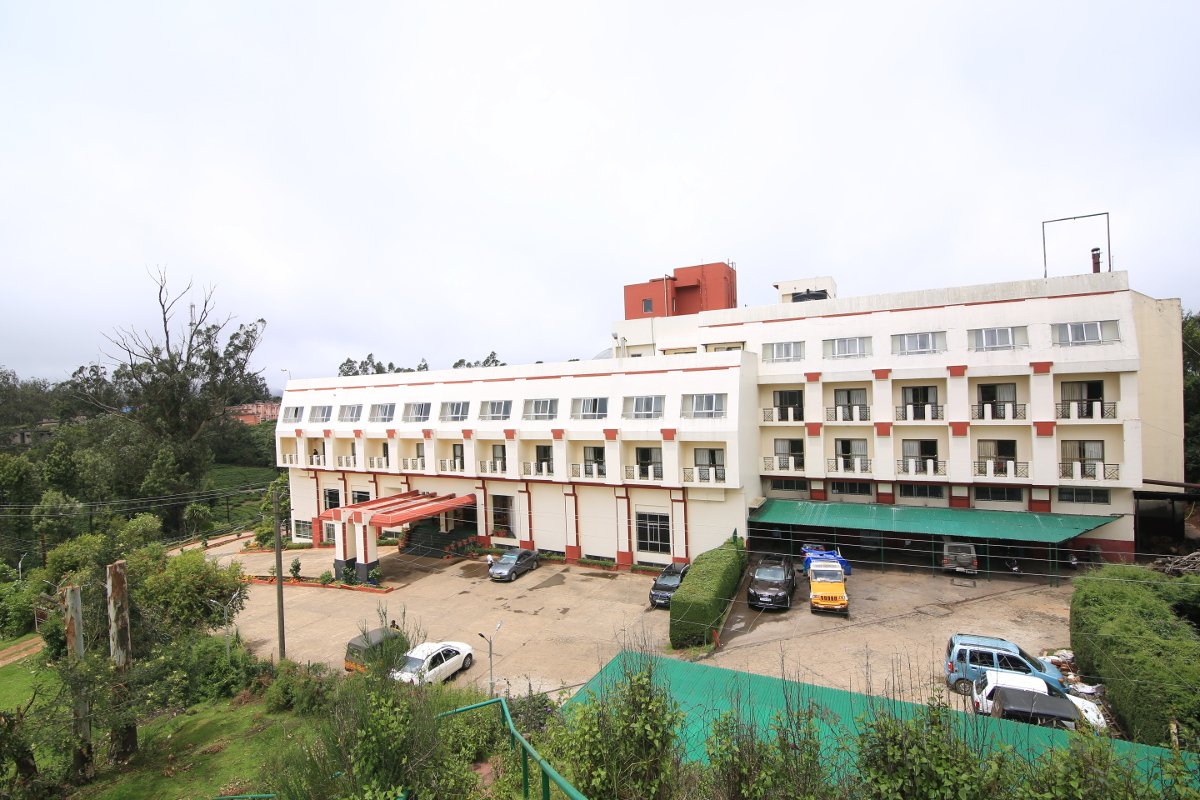
My recent trip to Kanyakumari was a delightful experience, offering a perfect blend of spiritual serenity, natural beauty, and cultural immersion. For accommodation, beyond the usual hotels, I highly recommend the Vivekananda Kendra. This serene and spiritual retreat truly elevates the experience. It's advisable to book your stay well in advance, as its popularity is well-deserved. Kendra's premises themselves are a destination worth exploring, offering a peaceful environment and breathtaking views of the surrounding landscape. It truly embodies a sense of tranquillity and is an excellent place to unwind.
When it comes to dining, Hotel Chitra stands out as a fantastic vegetarian restaurant. Their food is consistently delicious and offers a great taste of local flavours. Beyond its culinary delights, Kanyakumari provides a plethora of mini attractions that contribute to its charm. You'll find beautifully maintained gardens and parks where the gentle sound of birds creates a soothing ambience. It's particularly enchanting to spot the numerous peacocks roaming freely, adding a touch of natural elegance to the silent surroundings. The Vivekananda Kendra itself provides various room types to suit different budgets, ensuring a comfortable stay for everyone. A short stroll from the Kendra leads you to a beach, renowned for its spectacular sunrise viewpoint – a truly unforgettable sight. The sacred Triveni Sangam is also conveniently located just 1.5 km from the Kendra. Within Kendra's expansive grounds, you can also discover a moving Tribute Wall and even a functional school.


Glimpses of Vivekananda Kendra
One of the most captivating experiences in Vivekananda Kendra is visiting the Ramayana Darshanam.
 This is a genuinely unique, mural-based exhibition housed within a splendid and exquisitely designed building. As you approach, you are greeted by a magnificent 27-foot-tall sculpture of Hanuman, carved from a single granite stone, guarding the entrance. Inside, the exhibition beautifully depicts various scenes and stories from the epic Ramayana, offering a thought-provoking and informative journey. Equally inspiring is the exhibition of Bharat Mata, where various holy mothers of India are depicted, fostering a sense of unity and reverence. The sight of the large-sized Bharat Mata statue, along with sculptures of Padmanabaswamy and Nataraja, is truly a feast for the eyes, showcasing remarkable artistic craftsmanship. For those looking to take a piece of Kanyakumari home, the Kendra also features well-stocked book stalls with a great collection of spiritual and cultural literature, as well as a small shop selling an array of handicrafts and handmade items, perfect for souvenirs or gifts.
 |
| Cashew plantation |
Vivekananda Rock Memorial: A Spiritual Oasis at India's Southern Tip
The Vivekananda Rock Memorial stands as an enduring symbol of spirituality and panoramic beauty in Kanyakumari, India's southernmost tip. This magnificent monument is perched majestically on one of two prominent rocks, approximately 500 meters off the mainland of Vavathurai. Its strategic location in the Laccadive Sea, where the mighty Bay of Bengal, the vast Indian Ocean, and the serene Arabian Sea converge, offers visitors truly awe-inspiring and picturesque vistas of the surrounding waters.
More than just a scenic spot, the memorial is a profound testament to the vision and teachings of Swami Vivekananda, a highly influential Indian spiritual leader and philosopher. It is believed that he meditated on this very rock in December 1892, a pivotal moment before his historic journey to the World Parliament of Religions in Chicago, where he eloquently introduced Hinduism to the Western world. Beyond its association with Swami Vivekananda, the rock is also traditionally revered as "Shripada Parai," believed to bear the sacred imprint of Goddess Kanyakumari's feet, further imbuing the site with deep spiritual significance.
At Vivekananda Rock Memorial
Visitors embark on a memorable ferry ride from the mainland to reach this iconic landmark, a journey that itself offers captivating views of the coastline and the vast expanse of the ocean. Upon arrival, two main structures await exploration, each contributing to the memorial's unique charm and spiritual ambience:
Vivekananda Mandapam: This grand structure is a harmonious blend of architectural styles, incorporating elements from various Indian temple designs, with a notable fusion of West Bengal and Tamil Nadu styles. Within its elegant confines, visitors will find the serene Dhyana Mandapam, a dedicated meditation hall designed to foster introspection and inner peace, complete with adjacent rooms for reflection and contemplation. The Sabha Mandapam houses statues and an open courtyard, providing spaces for contemplation and gathering. The intricate detailing and thoughtful design of the Vivekananda Mandapam reflect a reverence for Indian heritage and spiritual traditions.
Shripada Mandapam: This structure holds particular significance, being dedicated explicitly to the footprint of Goddess Kanyakumari, believed to be eternally imprinted on the rock. It serves as a focal point for devotees, reinforcing the ancient spiritual connection of the site.
The tranquillity that pervades the memorial, coupled with the breathtaking panoramic views of the merging oceans, creates an unforgettable experience for all who visit. The gentle lapping of waves, the cool sea breeze, and the expansive horizon evoke a sense of peace and wonder, making it an ideal place for reflection and spiritual rejuvenation.
The genesis of the Vivekananda Rock Memorial dates back to 1962, when the idea was proposed during Swami Vivekananda's birth centenary celebrations. Despite facing initial challenges and obstacles, the project gained momentum through a remarkable nationwide effort. This monumental undertaking was meticulously spearheaded by Eknath Ranade, a dedicated social worker and spiritual leader, who rallied support from across the country. Through collective determination and tireless work, the memorial was completed and subsequently inaugurated on September 2, 1970, standing today as a symbol of national unity, spiritual enlightenment, and enduring respect for one of India's greatest minds.
Arulmigu Devi Kanyakumari Amman Temple: A Spiritual Beacon at India's Southern Tip
The Arulmigu Devi Kanyakumari Amman Temple stands as a testament to profound Hindu spirituality, a revered pilgrimage site dedicated to Devi Kanya Kumari, an incarnation of Maa Parvati Devi. Located at the southernmost tip of India, this temple holds immense significance, drawing devotees from far and wide who seek solace, blessings, and a deeper connection to the divine.
The Legend and Significance:
At the heart of the temple's allure lies the ancient legend of Devi Kanya Kumari. It is widely believed that the goddess performed severe penance at this very spot, enduring immense austerity with the singular devotion to obtain Lord Shiva as her husband. This tale of unwavering dedication and divine love imbues the temple with an unparalleled spiritual energy. The temple is also recognised as one of the 52 Shakti Peethas, sacred sites where body parts of the goddess Sati are believed to have fallen, further elevating its status as a potent centre for worship and spiritual awakening.

Architectural Grandeur and Divine Adornments:
The temple's architecture is a magnificent example of the Dravidian style, characterised by its towering gopurams (tower gates), intricate carvings, and elaborate structures. Every stone and pillar tells a story, with depictions of deities, mythical creatures, and scenes from Hindu mythology adorning the walls. The sheer artistry and craftsmanship are a visual feast, reflecting centuries of rich cultural heritage.
Within the sanctum sanctorum, the deity of the virgin goddess, Devi Kanya Kumari, is enshrined. She is adorned in exquisite jewellery and vibrant attire, radiating an aura of divine grace and power. A particularly captivating feature of the deity is her diamond nose ring, which is said to sparkle with such brilliance that its radiant glow can be seen from the distant sea. This mesmerising sparkle adds to the mystique and allure of the goddess, symbolising her divine luminescence.
A Confluence of Nature and Spirituality:
The Kanyakumari Temple's geographical location is as significant as its spiritual heritage. Situated just behind the mighty Indian Ocean, it marks the last shore of mainland India, a point where the waters of the Bay of Bengal, the Arabian Sea, and the Indian Ocean converge. This dramatic seascape provides a breathtaking backdrop to the temple, enhancing its divine aura and offering devotees a truly immersive spiritual experience. The rhythmic sound of the sea waves near the beach provides a soothing and meditative ambience, allowing visitors to connect with nature's grandeur while experiencing spiritual tranquillity.
Experiences for Devotees:
Beyond its spiritual and architectural marvels, the temple also fosters a sense of community and devotion. Annaprasadam, consecrated food, is provided free of cost to devotees every day, embodying the temple's commitment to nourishing both the body and soul. Visitors are encouraged to spend time by the seaside, enjoying the refreshing sea breeze and the vastness of the ocean.
A visit to the Arulmigu Devi Kanyakumari Amman Temple is not merely a pilgrimage; it is an experience that promises to fulfil wishes and dreams, as devotees seek and receive the blessings of Goddess Parvati. It is a journey of faith, a celebration of ancient traditions, and an opportunity to connect with the divine energy that permeates this sacred land.
A Day Trip to Thiruvananthapuram
During your Kanyakumari trip, you can take a train ride to Thiruvananthapuram (Trivandrum), the capital of Kerala, to visit the renowned Sree Padmanabhaswamy Temple.
Sree Padmanabhaswamy Temple: A Divine Journey to Architectural Grandeur and Spiritual Aura
The Sree Padmanabhaswamy Temple, an ancient Hindu temple dedicated to Lord Vishnu, is a spiritual marvel. The deity is enshrined in the "Anantha Shayanam" posture, depicting an eternal yogic sleep on the serpent Adisheshan. This sacred abode holds immense significance as one of the 108 Divya Desams, the holiest dwelling places of Vishnu.
Awe-Inspiring Architecture and Spiritual Significance:The temple's architectural grandeur is truly awe-inspiring, showcasing intricate carvings and towering gopurams that speak volumes of Kerala's rich heritage. The spiritual aura within the temple is palpable, offering devotees a profound sense of peace and divine connection. The primary deity, Lord Padmanabhaswamy, can be witnessed in the Anantashayana posture through three distinct doors, each offering a unique perspective of the reclining deity. This architectural brilliance, combined with the palpable divine energy and rich Kerala traditions, creates an unforgettable experience for every visitor.
Strict Customs and Immense Wealth:
The Sree Padmanabhaswamy Temple is renowned for its strict dress code, which devotees must adhere to without exception. This age-old tradition underscores the temple's reverence and sanctity. The temple is also famously known for its immense wealth, meticulously stored in secret vaults, some of which remain unopened to this day. This fascinating aspect adds another layer of intrigue to the temple's mystique.
Tips for a Blessed Visit:
Dress Code: Adherence to the strict dress code is mandatory. Women are required to wear traditional attire, while men must wear a dhoti with a towel. Shirts and T-shirts are strictly prohibited.
Security: Be aware that security is stringent. Cameras, mobile phones, and other electronic devices are not permitted inside the temple premises.
Darshan Timings: The temple's darshan timings differ from many other temples, so it is advisable to plan your visit accordingly to ensure a fulfilling spiritual experience.
A Journey Beyond Pilgrimage:
In essence, a visit to the Sree Padmanabhaswamy Temple transcends a mere religious pilgrimage; it is a profound journey into a rich tapestry of history, exquisite art, and profound spirituality. The blend of devotion, architectural brilliance, and cultural richness leaves an indelible mark on the hearts of all who visit. After a fulfilling exploration of its sacred grounds and intricate details, one returns with a sense of peace and a deeper appreciation for India's vibrant spiritual heritage.
Plan Your Own Kanyakumari Escape!
Kanyakumari offers a unique blend of spirituality, natural beauty, and historical significance. Whether you're seeking solace, stunning sunrises and sunsets over three seas, or a glimpse into India's rich cultural heritage, Kanyakumari is a destination that promises an unforgettable weekend escape.
#Kanyakumari #WeekendGetaway #TravelIndia #SpiritualJourney #NatureLovers #IncredibleIndia #BeachVacation #CulturalHeritage


 Modern educationists note that Nalanda’s campus design and teaching methodologies, such as the quadrangle-based architecture and residential learning model, influenced the layout of contemporary universities. These innovations inspired similar structures in East Asia and even in medieval Islamic madrasas. Its emphasis on dialectics, peer review, and interdisciplinary learning prefigured many modern academic norms, demonstrating its enduring influence on the field of education.